
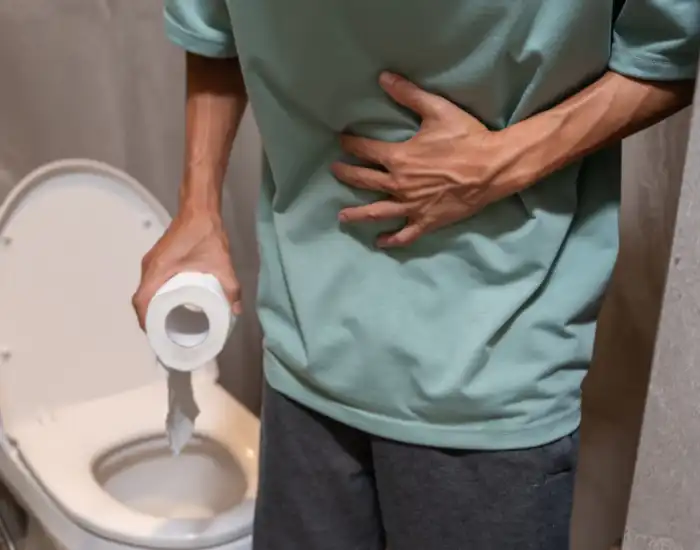
Sudden diarrhea can start without warning. One moment you feel fine, and the next you are rushing to the bathroom. It can interrupt work, school, travel, and daily life. In many cases, diarrhea is mild and goes away on its own. However, sometimes it points to a bigger digestive problem.
That is why it is important to understand what causes sudden diarrhea and when you should see a doctor. Acting early can prevent dehydration and other serious complications.
Table of Contents
- What Causes Sudden Diarrhea
- Common Triggers and Risk Factors
- Symptoms That Should Not Be Ignored
- When Sudden Diarrhea May Be Serious
- How It Is Diagnosed
- Treatment Options
- Frequently Asked Questions
- Get Expert GI Care in Houston
Get Persistent Diarrhea Evaluated
What Causes Sudden Diarrhea
Most of the time, sudden diarrhea happens because something irritates your digestive system. When this occurs, your intestines move waste too quickly. As a result, your body does not absorb enough water, which leads to loose or watery stools.
Some of the most common causes include:
- Viral infections (often called the stomach flu)
- Bacterial infections from contaminated food or water
- Food poisoning
- Food intolerances, such as lactose intolerance
- Side effects from medications, especially antibiotics
- Stress that affects digestion
In many cases, symptoms improve within a few days. However, if diarrhea keeps coming back or lasts longer than expected, you should not ignore it. In that situation, visiting a gastroenterologist in Houston can help you find the real cause and start proper treatment.
Common Triggers and Risk Factors
Although diarrhea can feel sudden, certain triggers often play a role. Understanding these triggers can help you avoid future episodes.
For example, your risk increases if you:
- Eat raw or undercooked food
- Drink unsafe or untreated water
- Travel to areas with poor sanitation
- Recently took antibiotics
- Have a digestive condition like IBS or inflammatory bowel disease
In addition, stress can upset the balance of your gut. Many people notice bowel changes during stressful times. Because of this, managing stress can also support better digestive health.
Symptoms That Should Not Be Ignored
While mild diarrhea may clear up on its own, some symptoms require quick medical attention. Paying attention to these warning signs can protect your health.
Watch for:
- Severe stomach pain
- Fever
- Blood in your stool
- Dry mouth or signs of dehydration
- Diarrhea lasting more than 2–3 days
- Unexplained weight loss
If you notice any of these symptoms, do not wait. Instead, contact a doctor as soon as possible. Early treatment can prevent complications.
When Sudden Diarrhea May Be Serious
See a GI Specialist in Houston
Sometimes, diarrhea becomes more than just an inconvenience. For instance, frequent watery stools can quickly cause dehydration. This can make you feel weak, dizzy, or lightheaded.
You should seek medical care right away if:
- Diarrhea is very frequent or severe
- You cannot keep fluids down
- You feel dizzy or faint
- You see blood or mucus in your stool
- Symptoms do not improve after several days
If your symptoms continue or keep returning, your doctor may recommend further testing. In some cases, a colonoscopy in Houston can help identify inflammation, infection, or other digestive problems.
How It Is Diagnosed
To diagnose the cause of sudden diarrhea, your doctor will first ask about your symptoms. They may ask when it started, how often it happens, and whether you recently traveled or changed medications.
Next, they may perform a physical exam. Depending on your symptoms, your doctor may also recommend:
- Stool tests to check for infection
- Blood tests to look for inflammation or dehydration
- Imaging tests if needed
- Endoscopy or colonoscopy for ongoing symptoms
Getting the correct diagnosis matters. When doctors treat the root cause, symptoms improve faster and are less likely to return.
Treatment Options
Treatment depends on the cause and how severe your symptoms are. For mild cases, simple steps may be enough.
Common treatment options include:
- Drinking plenty of fluids with electrolytes
- Resting to allow your body to recover
- Taking medications to reduce diarrhea (when appropriate)
- Antibiotics for bacterial infections
- Adjusting your diet temporarily
- Treating underlying digestive conditions
If symptoms continue or become more frequent, visiting a digestive care clinic in Houston can help you receive personalized care and long-term solutions.
Frequently Asked Questions
What causes sudden diarrhea without warning?
How long does sudden diarrhea last?
When should I see a doctor for diarrhea?
Can stress cause sudden diarrhea?
Do I need a colonoscopy for diarrhea?
Get Expert GI Care in Houston
If you are dealing with sudden diarrhea, do not ignore persistent or severe symptoms. While many cases are temporary, others need medical attention.
Curative Digestive Disease and Cancer Center provides expert GI and liver care in Houston with advanced diagnostics and personalized treatment plans. Whether you need colonoscopy, endoscopy, or care for ongoing digestive symptoms, Curative is the center for top rated Gastroenterologists in Houston to help. Call (713) 393-7744 to book your appointment today.
With convenient locations and flexible scheduling, you can receive timely care and get back to feeling your best.
Medical Disclaimer: This content is for informational purposes only and does not replace professional medical advice. Always consult a qualified healthcare provider for diagnosis and treatment.