
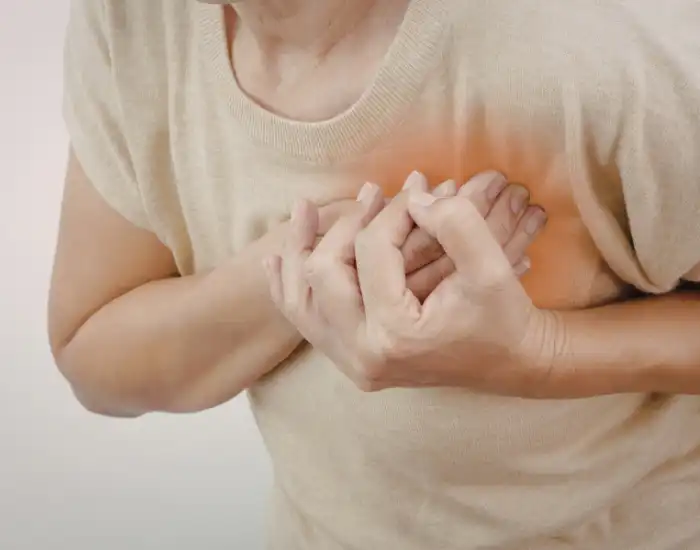
Experiencing chest pain after eating can be alarming and uncomfortable. Many people immediately worry about their heart, and understandably so, since heart-related pain can sometimes feel similar. In most cases, however, digestive issues like acid reflux or GERD are responsible. These conditions can irritate the esophagus and cause burning, pressure, or discomfort in the chest.
While occasional chest discomfort may be mild, persistent or severe pain should never be ignored. Understanding whether your symptoms are related to digestion or a more serious heart condition can help you take action quickly, protect your health, and get the right treatment.
Seeking timely evaluation from a gastroenterologist in Houston can identify the root cause, prevent complications, and guide you toward effective treatment.
Table of Contents
- What Causes Chest Pain After Eating
- GERD vs Heart-Related Chest Pain
- Common Digestive Causes
- Symptoms That Should Not Be Ignored
- When to Seek Immediate Medical Care
- How It Is Diagnosed
- Treatment Options
- Frequently Asked Questions
- Get Expert GI Care in Houston
What Causes Chest Pain After Eating
Chest pain after meals is often related to irritation or dysfunction in the digestive system, particularly the esophagus. The pain may range from mild discomfort to severe burning or pressure. Some of the most common digestive causes include:
- Acid reflux and GERD – Stomach acid flows back into the esophagus, causing irritation.
- Esophageal spasms – Irregular contractions of the esophagus muscles can trigger sharp or squeezing pain.
- Hiatal hernia – A portion of the stomach pushes into the chest, leading to discomfort and acid reflux.
- Gastritis – Inflammation of the stomach lining can create a burning or aching sensation.
- Food intolerance – Certain foods may irritate the stomach or esophagus and trigger pain.
If you experience frequent or worsening symptoms, it is important to seek evaluation from a gastroenterologist in Houston for accurate diagnosis and treatment.
GERD vs Heart-Related Chest Pain
One of the most critical steps is distinguishing digestive chest pain from heart-related issues. While both may cause discomfort, there are some key differences:
GERD-Related Chest Pain:
- Burning sensation in the chest
- Usually occurs after eating
- May worsen when lying down or bending
- Often associated with acid reflux or regurgitation
Heart-Related Chest Pain:
- Feels like pressure, tightness, or squeezing
- May radiate to the arm, neck, jaw, or back
- Often accompanied by shortness of breath, sweating, or nausea
- Not necessarily related to meals
If you are ever unsure about your symptoms, it is always safer to seek immediate medical attention. Heart issues should be ruled out before assuming the cause is digestive.
Common Digestive Causes
Several gastrointestinal conditions can contribute to chest pain after eating, including:
- Acid Reflux and GERD
- The most frequent cause of post-meal chest pain
- Stomach acid irritates the esophagus lining, creating burning or pressure
- Learn more about acid reflux treatment in Houston
- Esophageal Spasms
- Irregular muscle contractions in the esophagus
- Can cause sudden, sharp chest pain that sometimes feels like a heart attack
- Hiatal Hernia
- Part of the stomach pushes into the chest cavity
- Can lead to heartburn, regurgitation, and chest discomfort
- Gastritis
- Inflammation of the stomach lining
- May result from infection, alcohol, medications, or spicy foods
- Causes burning, fullness, or aching in the upper abdomen or chest
- Food Intolerance or Sensitivity
- Certain foods, such as spicy, fatty, or acidic meals, can trigger chest discomfort or reflux
Accurate diagnosis is important because treatment differs based on the underlying cause.
Symptoms That Should Not Be Ignored
While mild chest pain after eating is often manageable, you should seek medical care if you notice any of the following warning signs:
- Difficulty swallowing (dysphagia)
- Persistent heartburn or acid reflux
- Nausea or vomiting
- Unexplained weight loss
- Pain that worsens over time
These signs may indicate a more serious digestive or cardiac condition and require timely evaluation.
When to Seek Immediate Medical Care
Some symptoms are considered medical emergencies and require prompt attention:
- Severe chest pain or tightness
- Pain radiating to the arm, neck, or jaw
- Shortness of breath
- Dizziness or fainting
- Sudden onset of intense symptoms
These could be signs of a heart-related emergency, and calling 911 or visiting the emergency room immediately is essential.
How It Is Diagnosed
Diagnosing chest pain after eating involves determining whether the cause is digestive, cardiac, or both. Your doctor may recommend:
- Physical examination and medical history – Understanding your symptoms, eating habits, and risk factors
- Endoscopy – A flexible camera examines the esophagus for irritation, inflammation, or other problems
- Imaging studies – X-rays or other imaging can identify structural issues like hiatal hernia
- Cardiac evaluation – If symptoms suggest heart involvement, ECG or other cardiac tests may be ordered
In some cases, procedures like a colonoscopy in Houston may be recommended to evaluate overall gastrointestinal health.
Treatment Options
Treatment depends on the underlying cause and severity of symptoms. Common approaches include:
- Medications – To reduce acid, inflammation, or treat infections
- Dietary and lifestyle changes – Avoiding trigger foods, eating smaller meals, and staying upright after eating
- Treatment for GERD or esophageal conditions – Includes acid-suppressing therapy and esophageal dilation if needed
- Management of underlying digestive disorders – Treating gastritis, hiatal hernia, or food intolerances
- Advanced procedures – Surgery or endoscopic interventions may be necessary in severe cases
Patients can receive comprehensive, personalized care at a digestive care clinic in Houston.
Frequently Asked Questions
Why do I get chest pain after eating?
How do I know if chest pain is from GERD or heart issues?
Is chest pain after eating serious?
What foods trigger chest pain after eating?
Do I need an endoscopy or colonoscopy?
Get Expert GI Care in Houston
If you experience chest pain after eating, do not ignore it or assume it is harmless. Proper evaluation helps determine whether the cause is digestive, cardiac, or more serious.
At Curative Digestive Disease and Cancer Center, expert gastroenterologists in Houston deliver advanced GI and liver care, using state-of-the-art diagnostics and creating personalized treatment plans. Whether you need a colonoscopy, endoscopy, or ongoing management for digestive symptoms, Curative guides you every step of the way. Call (713) 393-7744 to schedule your appointment today.
With convenient Houston locations and flexible scheduling, patients can access timely evaluation and expert care for gastrointestinal symptoms.
Medical Disclaimer: This content is for informational purposes only and should not be considered medical advice. Always consult a qualified healthcare provider for diagnosis and treatment.