
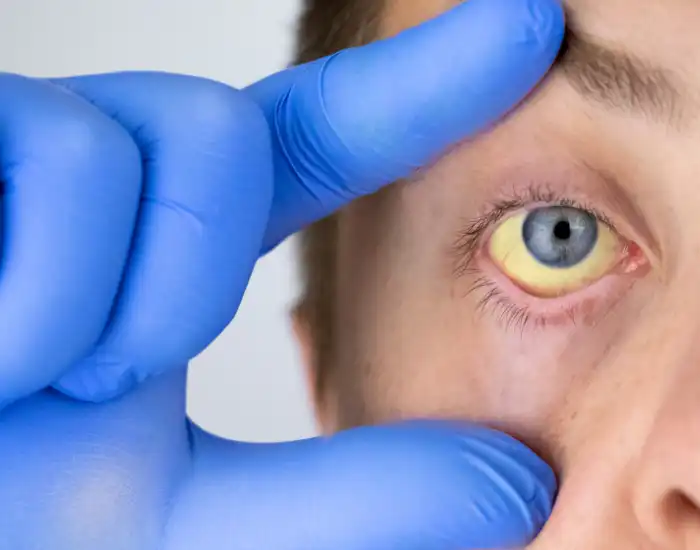
Noticing a yellow tint in the whites of your eyes can be alarming. In many cases, this discoloration — medically known as jaundice — is one of the earliest visible warning signs of liver dysfunction. Although some causes may be temporary or mild, yellow eyes should never be ignored.
The liver plays a vital role in filtering toxins, processing nutrients, and maintaining overall health. Therefore, when it is not functioning properly, the effects can quickly become visible. If you observe yellowing in your eyes, early evaluation by a specialist is essential to determine the underlying cause and begin appropriate treatment.
If you are experiencing symptoms in Houston, consulting a qualified gastroenterologist in Houston can help protect your liver health and prevent serious complications.
Table of Contents
- What Causes Yellow Eyes?
- How Yellow Eyes Are Linked to Liver Disease
- Common Conditions That Cause Jaundice
- Other Possible Causes of Yellowing
- Symptoms That Should Not Be Ignored
- When to See a Doctor Immediately
- How Yellow Eyes Are Diagnosed
- Treatment Options
- Frequently Asked Questions
- Get Expert Liver Care in Houston
What Causes Yellow Eyes?
Yellow eyes occur when there is a buildup of bilirubin, a yellow pigment produced during the normal breakdown of red blood cells. Under healthy conditions, the liver processes bilirubin and eliminates it through bile. However, when the liver cannot properly process or excrete bilirubin, it accumulates in the bloodstream. As levels rise, the pigment deposits in tissues — particularly the whites of the eyes and the skin.
This discoloration is often one of the first visible indicators that something may be wrong.
Common causes of bilirubin buildup include:
- Liver disease
- Blockage of the bile ducts
- Hemolytic (red blood cell) disorders
- Viral or bacterial infections affecting the liver
- Medication-related liver injury
Because jaundice is a symptom rather than a disease itself, identifying the root cause is essential for determining appropriate treatment.
How Yellow Eyes Are Linked to Liver Disease
The liver is responsible for filtering toxins, metabolizing medications, and processing waste products such as bilirubin. When liver cells become inflamed, damaged, or scarred, they lose the ability to perform these critical functions effectively.
As a result, bilirubin accumulates, leading to yellow discoloration of the eyes and sometimes the skin.
Several liver conditions may impair normal function, including:
- Hepatitis (viral or autoimmune)
- Fatty liver disease (non-alcoholic or alcohol-related)
- Cirrhosis (advanced liver scarring)
- Liver cancer
- Drug-induced liver injury
If you notice yellowing along with fatigue, abdominal discomfort, or digestive symptoms, it is important to seek care from a liver care specialist in Houston.
Early detection significantly improves treatment outcomes, particularly in progressive liver diseases.
Common Conditions That Cause Jaundice
Jaundice can develop for multiple reasons, and some require urgent medical attention.
1. Viral Hepatitis
Hepatitis A, B, and C infections can inflame the liver and impair bilirubin processing. In some cases, symptoms may develop gradually, while others experience sudden onset.
2. Alcohol-Related Liver Disease
Excessive alcohol consumption can damage liver cells over time, leading to inflammation and eventual scarring.
3. Gallstones
Gallstones may block bile ducts, preventing bilirubin from being excreted properly. This obstruction can cause sudden jaundice and abdominal pain.
4. Pancreatic Disorders
Tumors or inflammation in the pancreas can compress bile ducts and interfere with bile flow.
5. Liver Tumors
Both benign and malignant growths can disrupt normal liver function.
In certain cases, diagnostic procedures such as imaging, endoscopy, or even a colonoscopy in Houston may be part of a broader gastrointestinal evaluation to rule out related conditions.
Other Possible Causes of Yellowing
While liver disease is a common cause of jaundice, it is not the only one. Additional conditions may include:
- Hemolytic anemia (rapid breakdown of red blood cells)
- Genetic disorders affecting bilirubin metabolism
- Severe infections
- Certain medications
Because the potential causes vary widely, professional evaluation is crucial.
Symptoms That Should Not Be Ignored
Yellow eyes are often accompanied by additional warning signs. Paying attention to these symptoms can help determine the urgency of evaluation.
Watch for:
- Yellowing of the skin (in addition to the eyes)
- Dark-colored urine
- Pale or clay-colored stools
- Persistent fatigue
- Weakness
- Abdominal swelling or pain
- Nausea or vomiting
- Itchy skin
Collectively, these symptoms may indicate significant liver dysfunction or bile duct obstruction. Therefore, they should never be dismissed as minor issues.
When to See a Doctor Immediately
Although mild jaundice may sometimes develop gradually, certain situations require urgent care.
Seek immediate medical attention if you experience:
- Rapid or sudden onset of yellowing
- Severe abdominal pain, particularly in the upper right abdomen
- Confusion, drowsiness, or personality changes
- Persistent vomiting
- Fever with chills
- Signs of internal bleeding
Sudden confusion or mental changes can indicate hepatic encephalopathy, a serious complication of advanced liver disease.
If you are unsure about the severity of your symptoms, scheduling a prompt visit with a GI specialist in Houston is the safest course of action.
How Yellow Eyes Are Diagnosed
Diagnosing the cause of jaundice involves identifying where bilirubin buildup is occurring and why.
Step 1: Medical History and Examination
Your physician will ask about:
- Alcohol use
- Medication history
- Travel exposure
- Family history of liver disease
- Recent infections
A physical examination may reveal abdominal tenderness, liver enlargement, or fluid accumulation.
Step 2: Blood Tests
Blood testing is typically the first diagnostic step and may include:
- Liver function tests (ALT, AST, ALP, bilirubin levels)
- Complete blood count
- Viral hepatitis panel
- Coagulation studies
These tests provide insight into liver inflammation and function.
Step 3: Imaging Studies
Ultrasound, CT scans, or MRI may be used to examine the liver, gallbladder, bile ducts, and pancreas.
Step 4: Endoscopic or Specialized Testing
In certain cases, endoscopic procedures may be needed to evaluate bile duct blockages or other abnormalities.
Early and accurate diagnosis is critical to prevent long-term liver damage and serious complications.
Treatment Options
Treatment depends entirely on the underlying cause.
Viral Hepatitis:
- Antiviral medications
- Monitoring liver function
Fatty Liver Disease:
- Weight management
- Dietary modifications
- Blood sugar and cholesterol control
Gallstone Blockage:
- Endoscopic procedures to remove stones
- Surgical consultation if necessary
Cirrhosis:
- Lifestyle modifications
- Medications to manage complications
- Advanced monitoring
Medication-Related Liver Injury:
- Discontinuing the offending drug under medical supervision
Patients can receive comprehensive evaluation and care at a digestive care clinic in Houston, where specialists provide individualized treatment plans.
The key to successful treatment is early intervention before irreversible damage occurs.
Frequently Asked Questions
What does it mean if my eyes are turning yellow?
Is yellowing of the eyes serious?
Can liver disease be treated if caught early?
What tests are done for yellow eyes?
Should I see a specialist for yellow eyes?
Get Expert Liver Care in Houston
If you notice yellowing of your eyes, do not wait for symptoms to worsen. Early medical evaluation can identify the cause, prevent complications, and protect long-term liver health.
Curative Digestive Disease and Cancer Center provides expert GI and liver care in Houston with advanced diagnostics and personalized treatment plans. Whether you need colonoscopy, endoscopy, or care for ongoing digestive symptoms, Curative is the center for top rated Gastroenterologists in Houston to help. Call (713) 393-7744 to book your appointment today.
With convenient Houston locations and flexible scheduling, patients can receive timely evaluation and expert guidance for liver-related concerns.
Medical Disclaimer: This content is for informational purposes only and should not be considered medical advice. Always consult a qualified healthcare provider for diagnosis and treatment.