
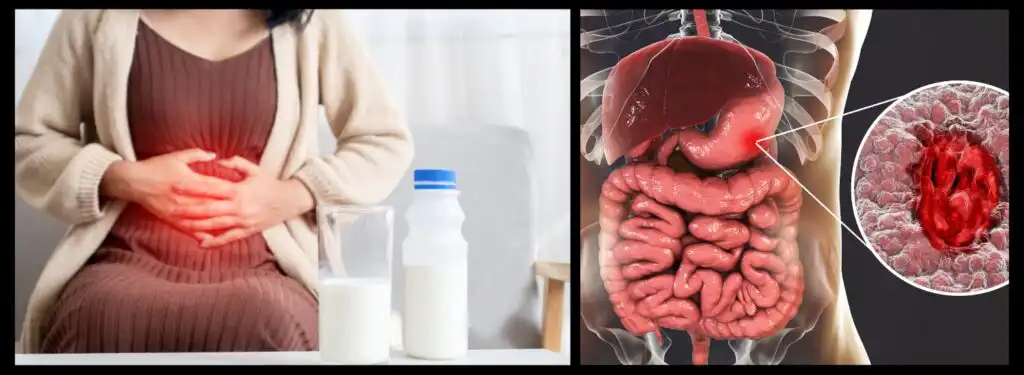
Have you ever felt a burning sensation in your upper abdomen or noticed that your stomach hurts more after eating? These could be signs of stomach inflammation, also known as gastritis. This common condition occurs when the lining of the stomach becomes irritated, inflamed, or eroded—causing a range of uncomfortable symptoms.
Because gastritis can develop suddenly or progress over time, understanding the warning signs is essential. At Curative GI, we help patients uncover the root cause of their discomfort and deliver care that goes beyond symptom relief—targeting the condition from the inside out.
Table of Contents
- What Is Gastritis?
- Types of Gastritis
- Common Symptoms of Gastritis
- Causes and Risk Factors
- How Gastritis Is Diagnosed
- Effective Treatment Options
- How to Prevent Gastritis
- Final Thoughts
- Disclaimer
1. What Is Gastritis?
To begin with, gastritis refers to the inflammation of the stomach lining. It can be short-term (acute gastritis) or long-lasting (chronic gastritis), and in more serious cases, it may even lead to ulcers or increase the risk of stomach cancer.
2. Types of Gastritis
Gastritis isn’t just one condition—it comes in several forms:
Acute Gastritis: Comes on suddenly and may resolve quickly
Chronic Gastritis: Develops gradually and can last for months or years
Erosive Gastritis: Can wear away the stomach lining and may cause bleeding
Understanding which type you’re dealing with helps guide appropriate treatment.
3. Common Symptoms of Gastritis
Gastritis, also known as stomach inflammation, can produce a variety of symptoms that range from mild to severe. Individuals may experience a burning sensation in the upper abdomen, nausea, or a feeling of fullness even after eating small amounts. Some may notice indigestion, bloating, or a general loss of appetite. In serious cases, black, tarry stools may be present—often a sign of internal bleeding. These stomach inflammation symptoms should be taken seriously, as early detection and treatment of gastritis can prevent further complications and support digestive health.
Symptoms of Gastritis may include:
Upper abdominal pain or burning sensation
Nausea or vomiting
Feeling full quickly after eating
Loss of appetite
Black, tarry stools (a sign of bleeding)
Indigestion or bloating
In some cases, symptoms are mild and may go unnoticed—yet over time, they can become more severe without treatment.
4. Causes and Risk Factors
Next, let’s explore what might be behind your gastritis:
Infection with Helicobacter pylori (H. pylori)
Overuse of NSAIDs (like ibuprofen or aspirin)
Excessive alcohol use
Stress—especially from major surgery or injury
Autoimmune conditions, such as autoimmune gastritis
Bile reflux or radiation exposure
While anyone can develop gastritis, certain lifestyle habits or medical conditions can increase your risk.
5. How Gastritis Is Diagnosed
When symptoms persist, proper diagnosis becomes crucial. At Curative GI, we may recommend:
Physical examination and history review
Blood tests to check for anemia or H. pylori
Stool tests for infection
Endoscopy to visually inspect the stomach lining
Biopsy, if needed, during endoscopy
This thorough process allows us to identify not just the presence of inflammation, but also its root cause.
6. Effective Treatment Options
Fortunately, gastritis is often treatable once the cause is known. Depending on the diagnosis, treatment may include:
Antibiotics to treat H. pylori
Proton pump inhibitors (PPIs) or H2 blockers to reduce stomach acid
Discontinuing NSAIDs or other irritants
Antacids for quick relief
Dietary changes, such as avoiding spicy, acidic, or greasy foods
Moreover, managing stress and alcohol intake plays a big role in preventing flare-ups.
7. How to Prevent Gastritis
Prevention is always better than cure. Here are a few steps you can take:
Avoid long-term use of NSAIDs unless advised by your doctor
Limit alcohol and stop smoking
Eat smaller, more frequent meals
Reduce stress through yoga, meditation, or counseling
Seek treatment for any H. pylori infection
By making these simple changes, you can protect your stomach lining and reduce the chance of recurrence.
8. Final Thoughts
Gastritis can disrupt your daily life, but you don’t have to suffer in silence. Whether your symptoms are new or ongoing, Curative Digestive Disease Center is here to help in Houston. Our compassionate team of specialists works closely with each patient to create a treatment plan that’s not only effective—but sustainable. If you’re experiencing stomach inflammation, don’t wait to get the answers and care you deserve.
Disclaimer:
This blog is intended for educational purposes only and should not replace professional medical advice. For a proper diagnosis and personalized treatment, consult with the experts.