
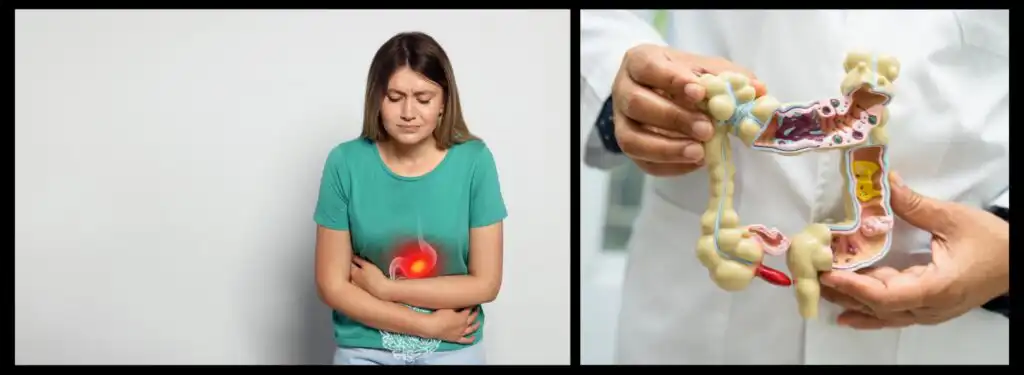
Bloating, cramping, and unpredictable bowel habits—if your gut feels like it’s constantly out of balance, you’re not alone. Irritable Gut Syndrome, also known as Irritable Bowel Syndrome (IBS), affects up to 15% of people worldwide. While not life-threatening, this condition can significantly impact your comfort, confidence, and overall well-being.
Fortunately, help is within reach. At Curative GI, we specialize in managing complex digestive disorders like IBS. With our expert guidance, you can identify triggers, manage symptoms, and take control of your gut health through a customized treatment plan designed specifically for you.
Get Your IBS Symptoms Assessed
Table of Contents
- What Is Irritable Gut Syndrome?
- Types of IBS
- Common Symptoms of IBS
- What Causes Irritable Gut Syndrome?
- How IBS Is Diagnosed
- Treatment Options at Curative GI
- Living Well with IBS
- Final Thoughts
- Disclaimer
1. What Is Irritable Gut Syndrome?
IBS is a chronic gastrointestinal disorder that affects the large intestine. It’s known for causing a mix of symptoms like abdominal discomfort, bloating, and changes in bowel habits—without any visible signs of damage or disease in the digestive tract.
2. Types of IBS
IBS is typically classified into three subtypes:
IBS-D (diarrhea-predominant)
IBS-C (constipation-predominant)
IBS-M (mixed, alternating between diarrhea and constipation)
Recognizing your type helps determine the most effective treatment.
3. Common Symptoms of IBS
IBS symptoms can vary, but the most frequently reported ones include:
Abdominal pain or cramping
Bloating and gas
Diarrhea, constipation, or alternating between the two
Mucus in the stool
A sense of urgency after meals
Temporary relief of discomfort after a bowel movement
As a result, many individuals feel embarrassed or frustrated by these unpredictable symptoms.
4. What Causes Irritable Gut Syndrome?
Although the exact cause remains unknown, researchers believe several factors contribute to IBS. For instance:
Disruptions in gut-brain communication
Imbalanced gut bacteria or microbiome changes
Food intolerances, such as to dairy or gluten
High levels of stress or anxiety
Hormonal fluctuations, especially in women
In other words, IBS tends to be multifactorial and unique to each person.
5. How IBS Is Diagnosed
When it comes to diagnosis, there isn’t a single definitive test for IBS. Instead, our gastroenterologists at Curative GI perform a comprehensive evaluation, including:
A full symptom and health history
Physical examination
Laboratory tests to rule out conditions like celiac disease or IBD
Imaging or colonoscopy when needed
This thorough process ensures that we accurately identify the root cause of your digestive discomfort.
6. Treatment Options at Curative GI
Once diagnosed, there are many ways to manage IBS effectively. At Curative GI, we offer:
Dietary modifications, such as a low-FODMAP or fiber-balanced diet
Medications, including antispasmodics, laxatives, and anti-diarrheal agents
Probiotics and gut flora support
Stress-reduction techniques, including mindfulness and therapy
Behavioral therapy for gut-brain connection management
By combining these strategies, we aim to reduce symptoms and restore normal function.
7. Living Well with IBS
Even though IBS is a long-term condition, it can be managed successfully. By keeping a food diary, practicing self-care, and working closely with a GI specialist, you can lead a full and comfortable life.
Additionally, learning to recognize early symptom triggers and developing a routine can greatly minimize flare-ups.
8. Final Thoughts
Ultimately, Irritable Gut Syndrome doesn’t have to control your life. With the right treatment and support, you can get back to feeling your best. At Curative GI, we’re here to walk with you on your journey to better gut health—offering the tools, resources, and expertise you need to live well every day.
9. Disclaimer:
This blog is intended for informational purposes only and does not replace professional medical advice. If you’re experiencing persistent digestive symptoms, schedule a consultation with our team at Curative GI.