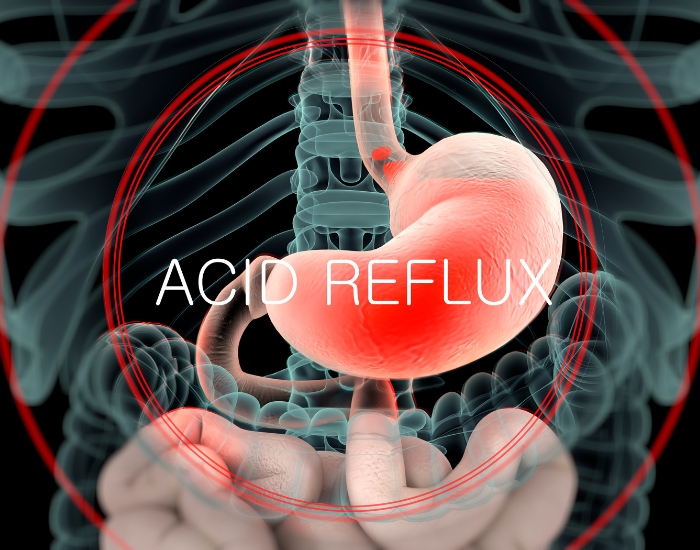
Acid reflux is a condition many people experience from time to time, often after eating a heavy or spicy meal. While occasional heartburn is common, persistent symptoms raise an important question many people search online: is acid reflux dangerous? The answer depends on how often symptoms occur, how severe they are, and whether they are properly managed. Acid reflux happens when stomach acid flows backward into the esophagus, irritating its lining. When this occurs frequently, it can progress into a chronic condition known as gastroesophageal reflux disease (GERD). Over time, repeated acid exposure may lead to complications that affect digestion, breathing, and overall quality of life.
This article explains whether acid reflux is dangerous, what risks it may pose if left untreated, who is most at risk, and when medical evaluation is necessary.
Table of Contents
- What Is Acid Reflux and Why It Happens
- Is Acid Reflux Dangerous or Just Uncomfortable?
- Common Symptoms That Should Not Be Ignored
- Is Acid Reflux Dangerous When Left Untreated?
- Long-Term Health Risks Linked to Chronic Acid Reflux
- Who Is Most at Risk for Acid Reflux Complications
- How Doctors Evaluate Acid Reflux Severity
- Frequently Asked Questions
- Final Thoughts
1. What Is Acid Reflux and Why It Happens
To understand is acid reflux dangerous, it helps to know what causes it. Acid reflux occurs when the lower esophageal sphincter (LES), a muscle that acts as a valve between the stomach and esophagus, does not close properly. This allows stomach acid to move upward into the esophagus.
The esophagus is not designed to handle acidic contents, unlike the stomach. Repeated exposure to acid can irritate and inflame its lining. Factors that may contribute to acid reflux include overeating, obesity, pregnancy, smoking, certain medications, and dietary habits. While occasional reflux may resolve on its own, frequent episodes can lead to persistent symptoms and complications.
2. Is Acid Reflux Dangerous or Just Uncomfortable?
Many people wonder is acid reflux dangerous, or if it is simply an uncomfortable nuisance. In mild or occasional cases, acid reflux is usually not dangerous and can often be managed with lifestyle changes. However, when symptoms become frequent, severe, or persistent, acid reflux may pose health risks. Chronic reflux can damage the esophagus over time, leading to inflammation and structural changes. While not everyone with acid reflux develops complications, ongoing symptoms should not be ignored. The danger lies not in occasional heartburn, but in untreated or poorly controlled reflux that continues for months or years.
3. Common Symptoms That Should Not Be Ignored
Recognizing symptoms early can help answer the question is acid reflux dangerous for an individual. Some symptoms are mild, while others may signal more serious issues.
Common symptoms include:
-
Frequent heartburn
-
Sour or bitter taste in the mouth
-
Regurgitation of food or liquid
-
Chest discomfort after meals
-
Difficulty swallowing
More concerning symptoms may include:
-
Persistent cough or hoarseness
-
Chest pain that mimics heart conditions
-
Feeling of food stuck in the throat
-
Worsening symptoms at night
If symptoms occur more than twice a week or interfere with daily activities, medical evaluation is recommended.
4. Is Acid Reflux Dangerous When Left Untreated?
One of the most important considerations is acid reflux dangerous when left untreated. Chronic exposure of the esophagus to stomach acid can lead to inflammation known as esophagitis. Over time, repeated injury may cause scar tissue to form, narrowing the esophagus and making swallowing difficult. Untreated acid reflux may also increase the risk of ulcers and bleeding in the esophagus. These complications can lead to pain, anemia, and difficulty eating. While not everyone experiences severe outcomes, untreated reflux significantly increases the likelihood of long-term digestive damage.
5. Long-Term Health Risks Linked to Chronic Acid Reflux
Understanding is acid reflux dangerous also means being aware of potential long-term risks. Chronic acid reflux, especially GERD, has been linked to several complications affecting both digestive and respiratory health.
Possible long-term effects include:
-
Chronic esophageal inflammation
-
Narrowing of the esophagus due to scarring
-
Increased sensitivity to acidic foods
-
Breathing issues caused by acid irritation
-
Changes in the esophageal lining
In some individuals, prolonged acid exposure can alter esophageal cells, increasing the risk of serious digestive conditions. This makes early diagnosis and management essential for long-term health.
6. Who Is Most at Risk for Acid Reflux Complications
Many people ask is acid reflux dangerous based on their personal health factors, and the risk does vary from person to person. Individuals who experience frequent or long-lasting reflux symptoms are more likely to develop complications over time. Excess body weight can increase pressure on the stomach, making acid more likely to move upward into the esophagus. Smoking and regular alcohol consumption may weaken the lower esophageal sphincter, allowing acid to reflux more easily. Pregnancy can temporarily increase reflux due to hormonal changes and abdominal pressure. Older adults may also be at higher risk, as muscle strength and digestive efficiency tend to decline with age. Additionally, people with conditions such as hiatal hernia or those taking certain long-term medications may experience more severe or persistent symptoms.
7. How Doctors Evaluate Acid Reflux Severity
When symptoms raise concerns about is acid reflux dangerous, healthcare providers focus on determining how often reflux occurs and whether it has caused damage. Evaluation typically begins with a detailed discussion of symptoms, including their frequency, duration, and triggers. Medical history and lifestyle habits are also reviewed to identify contributing factors. If symptoms are ongoing or severe, diagnostic testing may be recommended. An upper endoscopy allows doctors to examine the esophagus for inflammation, irritation, or structural changes caused by acid exposure. In some cases, pH monitoring is used to measure how often stomach acid enters the esophagus. These assessments help determine whether acid reflux is mild, chronic, or associated with complications that require targeted management.
8. Frequently Asked Questions
Is acid reflux dangerous if it happens every day?
Yes, daily acid reflux may indicate GERD and increases the risk of esophageal damage.
Is acid reflux dangerous at night?
Nighttime reflux can be more harmful because acid remains in the esophagus longer while lying down.
Is acid reflux dangerous without heartburn?
Yes, some people experience silent reflux, which can still cause throat and esophageal damage.
Is acid reflux dangerous long term?
Long-term untreated reflux may lead to complications such as esophageal inflammation and narrowing.
Is acid reflux dangerous for older adults?
Older adults may be at higher risk due to weakened muscle function and delayed symptom recognition.
9. Final Thoughts
So, is acid reflux dangerous? Occasional reflux is usually manageable, but chronic or untreated symptoms can lead to serious digestive complications. Recognizing warning signs, understanding risk factors, and seeking timely medical care are essential steps in protecting long-term digestive health. Acid reflux should not be ignored when it becomes frequent or disruptive.
If you are experiencing persistent heartburn or reflux symptoms and wondering whether they may be harmful, a digestive health specialist can help. Curative Digestive Disease Center provides comprehensive evaluation and evidence-based care to help patients understand and manage acid reflux safely.
Medical Disclaimer: This content is intended for informational purposes only and does not substitute professional medical advice, diagnosis, or treatment. Always consult a qualified healthcare provider regarding digestive symptoms or medical concerns.