GI Condition
Small Bowel Diseases in Houston
Expert care for small bowel diseases in Houston. Get advanced diagnosis and treatment at Curative Digestive Disease Center.
Small Bowel Diseases: Comprehensive Care at Curative Digestive Disease Center
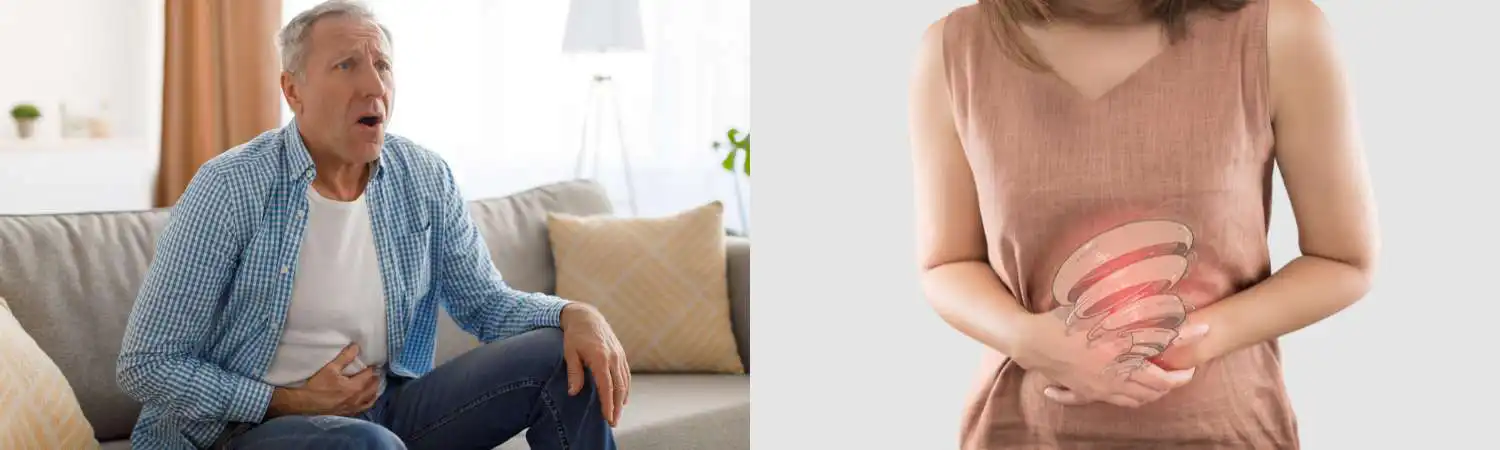
The small bowel plays a crucial role in digestion, nutrient absorption, and overall gastrointestinal health. Small bowel diseases encompass a range of conditions that affect its function, leading to digestive distress and nutritional deficiencies. At Curative Digestive Disease Center in Houston, our dedicated providers specialize in diagnosing and treating small bowel disorders, ensuring personalized care for optimal digestive health.
Symptoms of Small Bowel Diseases
The symptoms of small bowel diseases vary depending on the specific condition but commonly include:
Abdominal pain or cramping
Persistent diarrhea or constipation
Bloating and excessive gas
Unexplained weight loss
Fatigue due to malabsorption
Blood in the stool or black, tarry stools
Nausea and vomiting
Reduced appetite
If you experience persistent digestive issues, seeking medical evaluation is essential to determine the underlying cause and receive appropriate treatment.
Find the Cause of Your Small Bowel SymptomsCauses and Risk Factors
Small bowel diseases can arise from various underlying causes, including genetic, inflammatory, infectious, and autoimmune conditions. Common causes and risk factors include:
Inflammatory Bowel Disease (IBD): Conditions like Crohn’s disease cause chronic inflammation of the small intestine.
Celiac Disease: An autoimmune disorder where gluten consumption damages the small intestine lining.
Small Intestinal Bacterial Overgrowth (SIBO): An excessive growth of bacteria in the small intestine leading to bloating and digestive issues.
Infections: Bacterial, viral, or parasitic infections that disrupt small bowel function.
Intestinal Obstruction: Blockages caused by strictures, adhesions, or tumors.
Ischemic Bowel Disease: Reduced blood flow to the intestines leading to damage.
Food Intolerances and Sensitivities: Certain foods may trigger inflammation or poor absorption.
Genetic Factors: A family history of GI conditions increases the risk of developing small bowel diseases.
Diagnosis of Small Bowel Diseases
Accurate diagnosis is essential for effective treatment. At Curative Digestive Disease Center, our providers utilize state-of-the-art diagnostic tools, including:
Capsule Endoscopy: A small, swallowable camera captures images of the small intestine.
Upper Endoscopy (EGD): Examines the upper GI tract to detect inflammation or damage.
Colonoscopy: May be used to assess the lower part of the small intestine.
CT Enterography or MRI Enterography: Advanced imaging techniques to evaluate the structure of the small intestine.
Small Bowel Biopsy: Tissue samples may be collected during endoscopy for further analysis.
Blood Tests: Helps detect nutritional deficiencies, celiac disease, or inflammatory markers.
Breath Tests: Used to diagnose conditions like SIBO or carbohydrate malabsorption.

Treatment and Management
The treatment for small bowel diseases depends on the underlying cause. Our providers at Curative Digestive Disease Center develop personalized treatment plans that may include:
Dietary Modifications: Avoiding trigger foods (e.g., gluten for celiac disease) and optimizing nutrition.
Medications: Anti-inflammatory drugs, antibiotics, immunosuppressants, or probiotics to manage symptoms.
Nutritional Support: Vitamin and mineral supplementation for malabsorption-related deficiencies.
Endoscopic Therapy: Minimally invasive procedures for biopsies, dilation of strictures, or removal of blockages.
Surgical Interventions: Reserved for severe cases such as bowel obstructions, strictures, or complications from Crohn’s disease.
Our goal is to provide effective, long-term solutions that improve digestive function and enhance your overall well-being.
Why Choose Curative Digestive Disease Center?
At Curative Digestive Disease Center in Houston, we are committed to delivering advanced, patient-centered care for small bowel diseases. Here’s why patients trust us:
Expert Providers: Experienced specialists in gastroenterology and hepatology.
Cutting-Edge Diagnostics: Access to the latest imaging and endoscopic technology.
Personalized Treatment Plans: Tailored solutions to meet each patient's unique needs.
In-House Pathology Services: Ensuring fast and accurate diagnostic results.
Multidisciplinary Approach: Collaboration with nutritionists, radiologists, and other specialists for comprehensive care.
Compassionate Care: A patient-first philosophy that prioritizes comfort and well-being.
Curative Digestive Disease Center in Houston
Located in the Greater Houston area, Curative Digestive Disease Center provides comprehensive care for small bowel diseases and other gastrointestinal conditions. Our state-of-the-art facility offers advanced diagnostic tools, in-house pathology, and a compassionate team of providers dedicated to improving digestive health.
Speak With a GI Specialist
Board-certified gastroenterologists in Houston. Same-day appointments available.
✆ (713) 393-7744 Book a Small Bowel VisitGI Symptoms
GI Conditions
FAQs About Small Bowel Disease
What are common small bowel diseases?
Some of the most common small bowel diseases include Crohn’s disease, celiac disease, small intestinal bacterial overgrowth (SIBO), and ischemic bowel disease. These conditions can affect digestion and nutrient absorption.
How is a small bowel disease diagnosed?
Diagnosis involves a combination of imaging tests, endoscopic procedures, capsule endoscopy, blood work, and stool analysis to evaluate small intestine health and function.
Can small bowel diseases be cured?
Many small bowel diseases can be effectively managed with medication, dietary changes, and lifestyle modifications. Some conditions, such as celiac disease, require lifelong dietary adjustments to prevent symptoms.
What foods should I avoid with small bowel disease?
Depending on the condition, avoiding gluten, high-fiber foods, dairy, artificial sweeteners, and processed foods may help reduce symptoms. A specialized diet plan can be developed with guidance from our providers.
When should I see a doctor for digestive issues?
You should seek medical attention if you experience persistent digestive symptoms, unexplained weight loss, severe abdominal pain, frequent diarrhea, or blood in your stool. Early diagnosis and treatment can prevent complications.