
Advanced Procedure
ERCP (Endoscopic Retrograde Cholangiopancreatography)
Access expert ERCP procedures at Curative Digestive Disease Center in Houston for diagnosing and treating bile duct and pancreatic conditions.
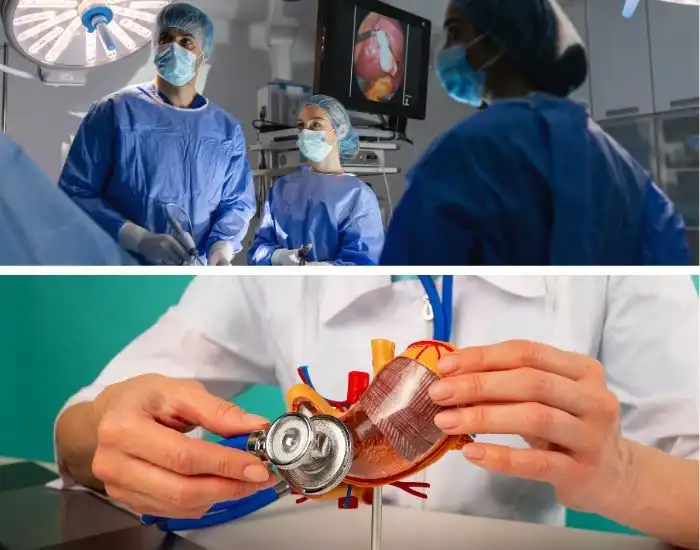
Advanced Biliary and Pancreatic Care
At Curative Digestive Disease Center, we are committed to delivering state-of-the-art diagnostic and therapeutic options for complex gastrointestinal and liver conditions. Endoscopic Retrograde Cholangiopancreatography (ERCP) is one of our specialized procedures, helping address issues within the bile ducts and pancreatic duct.
Don’t let biliary or pancreatic symptoms slow you down—turn to Curative Digestive Disease Center for advanced ERCP care and find relief today!
What Is ERCP?
ERCP is a minimally invasive procedure that combines endoscopic and X-ray (fluoroscopic) imaging to diagnose and treat abnormalities in the:
Bile Ducts
Pancreatic Duct
Gallbladder
During ERCP, a thin, flexible endoscope is gently guided down the esophagus and stomach into the duodenum (the first part of the small intestine). A small catheter is then inserted into the duct opening (papilla) so that a special contrast dye can be injected and X-ray images taken.
See What ERCP Can TreatConditions Addressed
Gallstones lodged in the common bile duct
Biliary Strictures or narrowing of the bile ducts
Pancreatic Duct Stones or strictures
Pancreatic Cancer or other tumors impacting the bile duct
Leaks or Injuries in the ducts post-surgery or due to chronic pancreatitis
How ERCP Helps
Accurate Diagnosis – ERCP’s imaging allows our specialists to precisely locate any blockages, stones, or abnormal growths that may be causing persistent symptoms such as jaundice, abdominal pain, or changes in liver function tests.
Less Invasive Approach
ERCP often eliminates the need for more invasive surgeries, leading to shorter recovery times, reduced hospital stays, and quicker relief of symptoms.
Advanced ERCP Therapies We Offer
Because ERCP is both a diagnostic and a therapeutic tool, our specialists can often identify the problem and treat it in the same session. The therapies we routinely perform during ERCP include:
Bile Duct Stone Removal – Extracting gallstones trapped in the common bile duct to relieve pain, jaundice, and infection.
Sphincterotomy – A small controlled incision at the duct opening to improve drainage and allow stones to pass.
Biliary and Pancreatic Stent Placement – Relieving blockages in the bile or pancreatic ducts caused by strictures, tumors, or chronic inflammation.
Stricture Dilation – Gently widening narrowed ducts to restore normal bile and pancreatic flow.
Tissue Sampling and Brush Cytology – Collecting samples from suspicious areas for rapid analysis by our in-house GI pathologist.
Leak and Injury Management – Sealing post-surgical bile leaks with targeted stenting rather than repeat open surgery.
What to Expect
Preparation: You will typically fast (no food or drink) for several hours before the procedure. Inform us about any blood thinners or medications you are taking.
Sedation: We perform ERCP with sedation or anesthesia to help you remain comfortable.
Procedure Time: The procedure may last 30 to 60 minutes, depending on the complexity.
Recovery: Most patients can return home the same day once the sedation has worn off. We will monitor you briefly in our recovery area to ensure you are stable.
Possible Risks
While ERCP is generally safe under the care of experienced specialists, some potential risks include:
Pancreatitis (inflammation of the pancreas)
Infection (cholangitis or other localized infections)
Bleeding (especially if a sphincterotomy is performed)
Perforation (rare but serious tears in the duct or intestinal wall)
Our team at Curative Digestive Disease Center is highly trained to minimize these risks and manage any complications promptly.
Why Choose Curative Digestive Disease Center for ERCP?
Expertise: Led by Dr. Ahmad Farooq, who trained at Yale and Duke University, our center offers a blend of expert knowledge and innovative care.
In-House Pathology: Rapid, accurate analysis of samples by our specialized GI pathologist, Dr. Ghulam Ilyas, ensures timely diagnosis.
Patient-Centered Care: From consultation through follow-up, we focus on personalized treatment plans, addressing each patient’s unique symptoms and health goals.
If you’re experiencing symptoms that may require a closer look at your biliary or pancreatic system, we encourage you to schedule an appointment at our Houston locations.
Speak With a GI Specialist
Board-certified gastroenterologists in Houston. Same-day appointments available.
✆ (713) 393-7744 Book an ERCP VisitGI Symptoms
GI Conditions
FAQs About ERCP
Is ERCP painful?
No. ERCP is performed under sedation or general anesthesia, so you will not feel discomfort during the procedure. Most patients have no memory of it. Some people notice a mild sore throat or bloating for a few hours afterward, which settles on its own.
How long does an ERCP take, and will I go home the same day?
The procedure itself usually takes 30 to 60 minutes depending on complexity. Nearly all patients go home the same day once sedation wears off, after a short monitored recovery. Plan for someone to drive you home.
How do I prepare for ERCP?
You will fast for several hours before the procedure — typically no food or drink after midnight. Tell our team about blood thinners, diabetes medication, or any allergies well in advance, since some medications need to be adjusted or briefly held before ERCP.
What conditions can ERCP treat during the same visit?
ERCP is both diagnostic and therapeutic. In one session our specialists can remove bile duct stones, perform a sphincterotomy, place or exchange biliary and pancreatic stents, dilate strictures, and take tissue samples for biopsy — often avoiding open surgery altogether.
What are the risks of ERCP?
ERCP is generally safe in experienced hands. Possible risks include post-ERCP pancreatitis, infection, bleeding, and rarely perforation. Our team follows established prevention protocols and monitors you closely to reduce these risks and manage any issue promptly.