Many people use the terms acid reflux and heartburn interchangeably, but they are not exactly the same. This confusion often leads people to search for acid reflux vs heartburn to understand what their symptoms really mean. While the two are closely related, they describe different aspects of a digestive issue that can range from mild discomfort to a chronic condition. Heartburn is a symptom, while acid reflux is a digestive process that causes that symptom. Knowing the difference is important because frequent or untreated acid reflux may lead to complications over time. Understanding acid reflux vs heartburn can help individuals recognize warning signs, manage symptoms effectively, and know when medical evaluation is needed.
This article explains the key differences, causes, symptoms, risks, and how both conditions are evaluated and managed.
Table of Contents
- What Is Heartburn?
- What Is Acid Reflux?
- Acid Reflux vs Heartburn: How They Are Different
- Common Causes of Heartburn and Acid Reflux
- Symptoms That Help Tell the Difference
- When Acid Reflux vs Heartburn Becomes a Concern
- How Doctors Diagnose Acid Reflux and Heartburn
- Frequently Asked Questions
- Final Thoughts
1. What Is Heartburn?
Heartburn is a common symptom characterized by a burning sensation in the chest, usually behind the breastbone. Despite its name, heartburn has nothing to do with the heart. It occurs when stomach acid irritates the lining of the esophagus, creating a burning or uncomfortable feeling that may rise toward the throat.
Heartburn often happens after eating, especially large or spicy meals. It may also occur when bending over or lying down shortly after eating. For many people, heartburn is occasional and resolves on its own. However, frequent heartburn can be a sign of an underlying digestive condition.
2. What Is Acid Reflux?
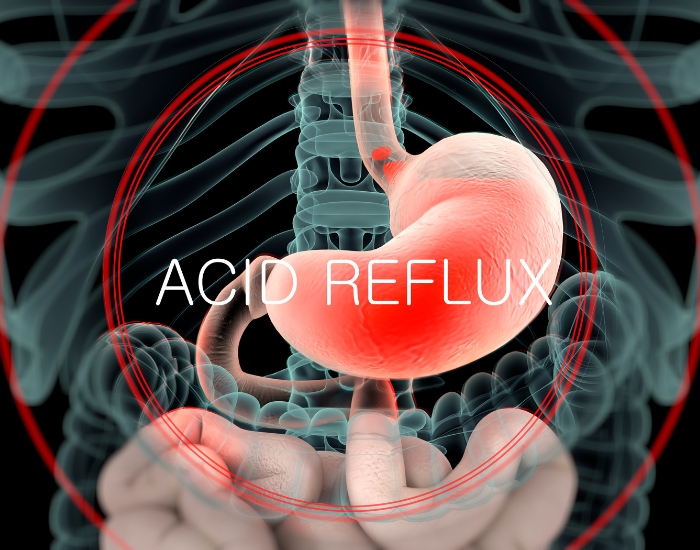
Acid reflux is a digestive condition that occurs when stomach acid flows backward into the esophagus. This backward flow happens when the lower esophageal sphincter (LES), a muscle that normally keeps stomach contents in place, does not function properly.
Understanding acid reflux vs heartburn starts with recognizing that acid reflux is the cause, while heartburn is one possible symptom. Acid reflux may occur with or without noticeable heartburn. Some people experience acid reflux silently, without the classic burning sensation, yet still develop irritation or damage to the esophagus over time.
3. Acid Reflux vs Heartburn: How They Are Different
The key difference between acid reflux vs heartburn lies in what each term describes. Acid reflux refers to the physical movement of stomach acid into the esophagus, while heartburn describes the sensation that results from this acid exposure. Heartburn is a symptom that can occur occasionally and may not always indicate a serious issue. Acid reflux, especially when frequent, may represent an ongoing digestive problem. When reflux occurs regularly, it may progress into gastroesophageal reflux disease (GERD), a chronic condition that requires medical attention. In simple terms, not everyone with acid reflux experiences heartburn, but heartburn usually occurs because of acid reflux.
4. Common Causes of Heartburn and Acid Reflux
When comparing acid reflux vs heartburn, it is helpful to understand their shared triggers. Many of the same factors can lead to both conditions, though frequency and severity may differ.
Common causes include:
-
Eating large meals
-
Spicy, fatty, or fried foods
-
Chocolate and citrus fruits
-
Coffee and carbonated beverages
-
Alcohol consumption
Lifestyle and physical factors may also play a role, such as excess body weight, pregnancy, smoking, and lying down soon after eating. These factors can weaken the LES, making acid reflux more likely and increasing the chances of heartburn symptoms.
5. Symptoms That Help Tell the Difference
Distinguishing acid reflux vs heartburn often depends on symptom patterns. Heartburn typically presents as a burning sensation in the chest that may worsen after meals or at night. It may come and go and often improves with simple lifestyle changes.
Acid reflux symptoms may include:
-
Regurgitation of food or liquid
-
Sour or bitter taste in the mouth
-
Difficulty swallowing
-
Sensation of a lump in the throat
-
Chronic cough or hoarseness
If symptoms occur frequently, last for long periods, or worsen over time, they may suggest ongoing acid reflux rather than occasional heartburn.
6. When Acid Reflux vs Heartburn Becomes a Concern
One of the most important questions people ask when comparing acid reflux vs heartburn is when symptoms should be taken seriously. Occasional heartburn is usually not dangerous, but frequent or persistent symptoms should not be ignored. Acid reflux becomes a concern when it occurs more than twice a week, disrupts sleep, or interferes with daily activities. Chronic acid exposure can irritate the esophagus, potentially leading to inflammation, narrowing, or other complications. Chest pain that mimics heart-related symptoms should always be evaluated promptly to rule out non-digestive causes.
7. How Doctors Diagnose Acid Reflux and Heartburn
Healthcare providers evaluate acid reflux vs heartburn by reviewing symptoms, medical history, and lifestyle factors. Occasional heartburn may not require testing, but ongoing or severe symptoms often warrant further evaluation. Diagnostic tools may include upper endoscopy to examine the esophagus for irritation or damage, as well as pH monitoring to measure acid exposure. These tests help determine whether symptoms are due to occasional reflux, chronic acid reflux, or GERD. Proper diagnosis allows for appropriate management and reduces the risk of long-term complications.
8. Frequently Asked Questions
What is the main difference between acid reflux vs heartburn?
Heartburn is a symptom, while acid reflux is the condition that causes acid to flow into the esophagus.
Can you have acid reflux without heartburn?
Yes, some people experience acid reflux without the typical burning sensation, known as silent reflux.
Is heartburn always a sign of acid reflux?
Most cases of heartburn are caused by acid reflux, but occasional heartburn may not indicate a chronic condition.
When does acid reflux vs heartburn need medical attention?
Frequent symptoms, difficulty swallowing, or chest pain should be evaluated by a healthcare provider.
Is GERD the same as acid reflux or heartburn?
GERD is a chronic form of acid reflux and may involve ongoing heartburn and other symptoms.
9. Final Thoughts
Understanding acid reflux vs heartburn helps clarify why some symptoms are mild and temporary, while others may indicate a chronic digestive issue. Occasional heartburn is common, but frequent acid reflux deserves attention. Recognizing patterns, identifying triggers, and seeking timely medical care can help protect digestive health and prevent complications.
If you are experiencing frequent heartburn or symptoms related to acid reflux and are unsure what they mean, a digestive health specialist can help. Curative Digestive Disease Center offers expert evaluation and care to help patients understand their symptoms and support long-term digestive wellness.
Medical Disclaimer: This content is for informational purposes only and does not replace professional medical advice, diagnosis, or treatment. Always consult a qualified healthcare provider regarding digestive symptoms or health concerns.