Esophagogastroduodenoscopy (EGD): Comprehensive Care at Curative Digestive Disease Center
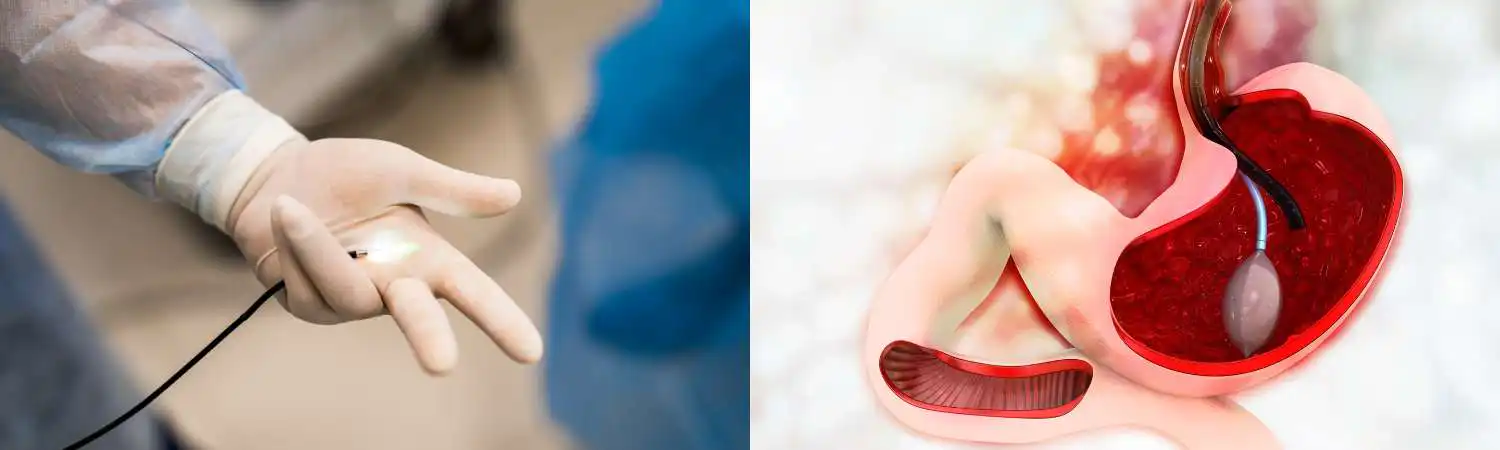
Esophagogastroduodenoscopy (EGD) is a specialized diagnostic procedure used to examine the esophagus, stomach, and the first part of the small intestine (duodenum). At Curative Digestive Disease Center, our experienced providers utilize EGD to diagnose and treat various gastrointestinal conditions, ensuring comprehensive and effective care for every patient.
Esophagogastroduodenoscopy (EGD) in Houston
Symptoms That May Require an EGD
EGD is recommended for patients experiencing symptoms such as:
- Persistent heartburn or acid reflux
- Difficulty swallowing (dysphagia)
- Unexplained weight loss
- Nausea and vomiting
- Chronic upper abdominal pain
- Black or tarry stools (indicating possible bleeding)
- Persistent coughing or hoarseness
- Anemia (low red blood cell count)
- Feeling of fullness after eating small amounts
If you have been experiencing any of these symptoms, an EGD can help determine the underlying cause and guide appropriate treatment.
Causes and Risk Factors
Several conditions can lead to symptoms that may require an EGD, including:
- Gastroesophageal Reflux Disease (GERD) – Chronic acid reflux that can damage the esophagus
- Esophagitis – Inflammation of the esophagus due to acid, infections, or allergies
- Peptic Ulcers – Open sores in the stomach or duodenum
- Hiatal Hernia – A condition where part of the stomach pushes through the diaphragm
- Barrett’s Esophagus – A condition linked to long-term GERD that may increase the risk of esophageal cancer
- Esophageal or Gastric Tumors – Benign or malignant growths in the upper digestive tract
- Celiac Disease – An immune reaction to gluten affecting the small intestine
- H. pylori Infection – A bacterial infection associated with ulcers and stomach inflammation
Risk factors for developing these conditions include smoking, excessive alcohol use, obesity, a diet high in acidic or spicy foods, prolonged use of NSAIDs, and a family history of gastrointestinal diseases.
Diagnosis: How an EGD is Performed
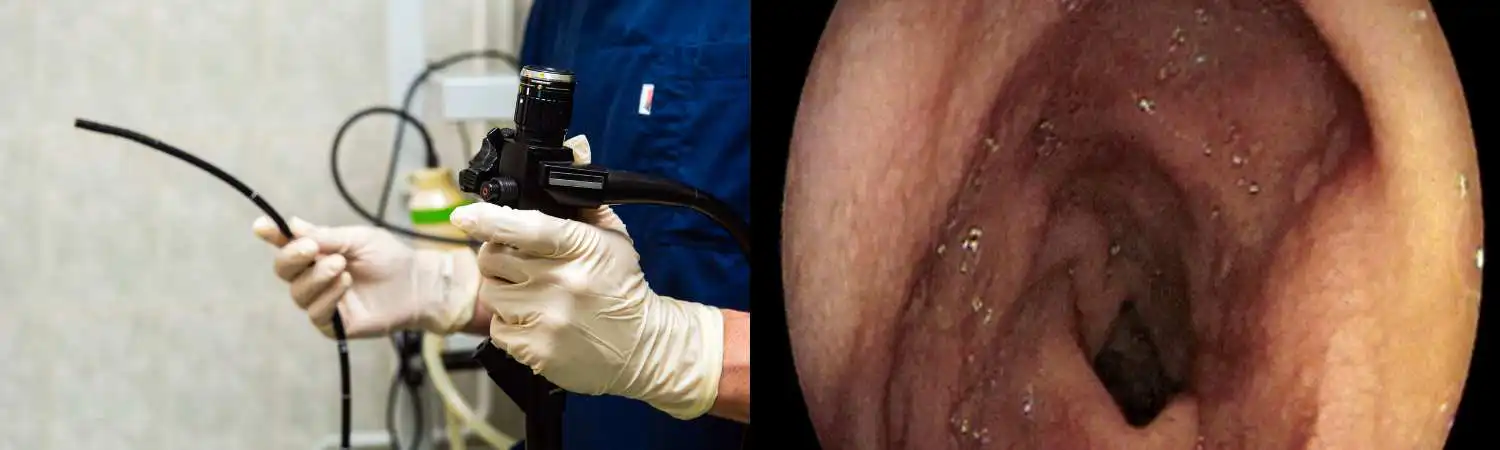
An Esophagogastroduodenoscopy (EGD) is performed using a thin, flexible tube with a camera at the end (endoscope) that is inserted through the mouth into the digestive tract. The procedure typically involves:
- Preparation: Patients are advised to fast for at least 6-8 hours before the procedure. Sedation is administered for comfort.
- Examination: The endoscope transmits real-time images, allowing providers to detect abnormalities.
- Biopsy & Treatment: If necessary, a small tissue sample (biopsy) may be taken for further analysis. Treatments such as dilation of strictures, removal of polyps, or cauterization of bleeding vessels can also be performed.
- Recovery: The procedure takes about 15-30 minutes, with patients monitored briefly before being discharged.
Treatment and Management
Following an EGD, treatment will depend on the findings:
- GERD or Acid Reflux → Lifestyle changes, proton pump inhibitors, or anti-reflux surgery if severe
- Ulcers → Antibiotics for H. pylori infections and acid-reducing medications
- Barrett’s Esophagus → Routine monitoring and potential endoscopic therapy
- Esophageal Strictures → Dilation procedures to widen the narrowed area
- Tumors or Growths → Biopsy results determine the next steps, including surgery or further interventions
Our providers develop personalized treatment plans tailored to each patient's needs, ensuring optimal long-term management.
Why Choose Curative Digestive Disease Center?
At Curative Digestive Disease Center, we are committed to providing advanced, patient-centered care for all gastrointestinal conditions. When you choose us for your EGD procedure, you benefit from:
✅ Experienced GI Specialists – Our providers have extensive expertise in diagnosing and treating digestive disorders.
✅ State-of-the-Art Endoscopy Suite – We offer high-quality, cost-effective diagnostic procedures in a comfortable setting.
✅ In-House Pathology Services – Rapid biopsy analysis for quicker diagnosis and treatment planning.
✅ Compassionate, Personalized Care – We prioritize patient comfort and communication at every step.
✅ Affiliations with Top Hospitals – We work closely with leading hospitals in Houston, including Houston Methodist Sugar Land, Houston Methodist West, and Houston Methodist Hospital.
Meet Our Providers
Curative Digestive Disease Center in Houston
Located in Houston, TX, Curative Digestive Disease Center is a premier facility dedicated to diagnosing, managing, and treating digestive disorders. If you need gastroenterologist in Houston, Our team of experienced providers uses advanced medical technology and a compassionate approach to ensure the highest level of care for our patients.
Whether you need an EGD for diagnostic purposes or therapeutic intervention, our center is fully equipped to provide safe, effective, and personalized treatment.
FAQs About Esophagogastroduodenoscopy (EGD)
Is an EGD painful?
No, the procedure is performed under sedation, ensuring minimal discomfort. Most patients do not remember the procedure and experience little to no pain.
How long does it take to recover from an EGD?
Recovery is quick. Patients can return home within an hour but should avoid driving or operating heavy machinery for the rest of the day. Mild throat irritation may persist for a few hours.
How often should I have an EGD?
The frequency depends on the condition being monitored. Patients with GERD, Barrett’s Esophagus, or chronic ulcers may need periodic screenings as recommended by their provider.
What should I avoid before an EGD?
Patients should fast for at least 6-8 hours before the procedure. Medications, especially blood thinners, should be discussed with the provider in advance.
Can an EGD detect cancer?
Yes, an EGD can identify precancerous and cancerous lesions, allowing for early detection and timely intervention.